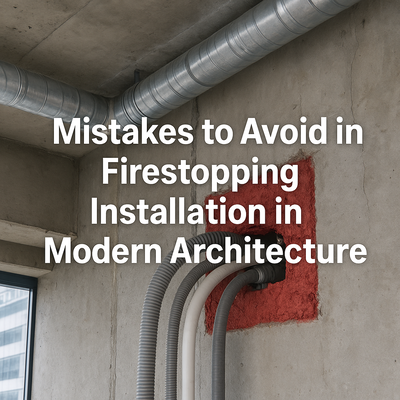
In today’s advanced architectural landscape, fire safety is not optional — it’s a fundamental responsibility. The UAE, known for its iconic skyscrapers, modern commercial buildings, and high-performance infrastructure, maintains some of the strictest fire safety regulations in the world. Among the most crucial elements protecting these structures is firestopping — the system that prevents fire, smoke, and heat from spreading through openings and joints in walls, floors, and other building assemblies.
However, even the most sophisticated firestopping materials fail when installation or maintenance is done incorrectly. Below are the most common mistakes to avoid, along with insights on how FSIME Construction ensures compliance, safety, and long-term performance.
One of the most frequent and costly mistakes is choosing materials that do not match the specific application. Every penetration — whether electrical conduits, plumbing pipes, cable trays, or HVAC ducts — requires a certified firestopping solution designed for that exact condition.
Common issues include:
Why it matters:
Mismatched materials can compromise the integrity of the entire fire barrier.
FSIME Approach:
We work strictly with certified, tested materials approved for UAE Civil Defense standards, ensuring 100% compliance.
Firestopping materials only perform when they bond properly. Dust, oil, construction debris, and moisture on surfaces significantly reduce adhesion.
Typical errors include:
FSIME ensures surfaces are prepared correctly and inspected before any application, guaranteeing optimal performance and longevity.
Overfilling or underfilling gaps is another common installation mistake. Firestopping systems are tested to specific dimensions — altering these can invalidate the system’s fire rating.
Common issues:
Our solution:
FSIME technicians follow UL-tested assemblies, ensuring precise depth, density, and installation technique.
Buildings in the UAE, especially high-rises, experience constant movement due to thermal expansion, wind loads, and structural settlement. Rigid or improperly installed firestops can crack or detach.
Mistake examples:
FSIME advantage:
We use specialized firestop systems engineered for dynamic movement to maintain barrier integrity over time.
Proper documentation is essential for compliance and future maintenance. Missing labels make inspection difficult and create confusion during renovations.
Common gaps:
At FSIME Construction, every firestopped point is labeled, documented, photographed, and recorded for full traceability.
Firestopping is not a “install once and forget” system. Renovations, new cable additions, or settlement can damage previously installed firestops.
Typical maintenance mistakes:
FSIME Recommendation:
We provide periodic inspection and maintenance services to ensure long-term compliance and performance.
Firestopping is one of the most critical safety elements in modern UAE architecture. But even the best materials and systems fail without proper installation and consistent maintenance. Avoiding the mistakes listed above can significantly enhance building safety, protect lives, and ensure full compliance with UAE Civil Defense fire codes.
At FSIME Construction, we combine certified materials, expert technicians, and methodical documentation to deliver firestopping solutions that meet the region’s highest safety standards. Whether you’re constructing a new building or upgrading an existing one, partnering with a specialist ensures your fire protection systems work exactly when needed.
 Call Back

 Call Us
+971 4 558 5075
 Email
Emailinfo@fsime.com
 +971 4 558 5075
 +971 4 558 5043
  info@fsime.com

 info@fsime.com